
Ultimate Foundation Repair Products For Effective Structural Support
Explore a range of proven foundation repair products that provide dependable support and long-term results.
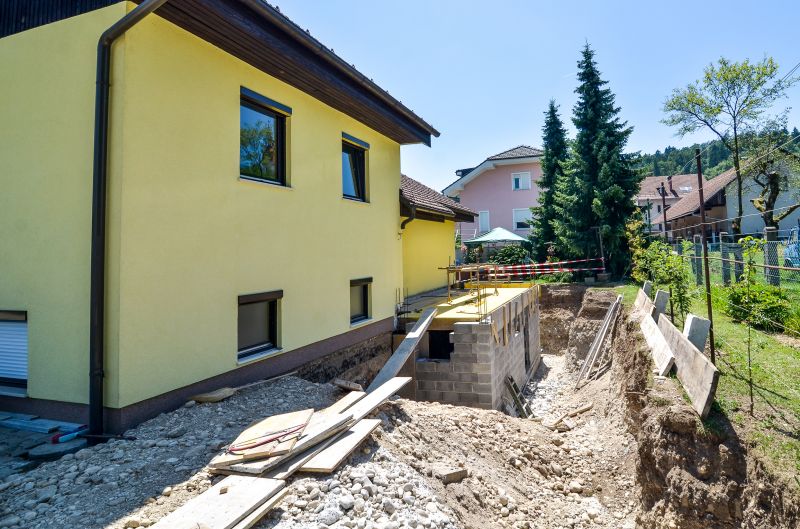 Foundation repairs are a critical aspect of maintaining the structural integrity of a building, especially in areas like Charleston, WV, where soil conditions and weather patterns can impact foundational stability. When addressing foundation issues, a variety of products are available to help reinforce, stabilize, and repair affected structures. These products range from simple sealants to complex underpinning systems, each designed to tackle specific types of foundation problems. Understanding the different options can assist homeowners and contractors in selecting the most suitable solutions for their needs.
Top Overall Option
Piering and Underpinning Systems
Piering and underpinning systems are versatile solutions designed to stabilize and lift sinking or shifting foundations. These systems typically involve installing steel or concrete piers beneath the foundation to transfer the load to more stable soil layers. They are suitable for a range of foundation issues, including settlement and uneven shifting, providing a solid base for repair. Proper installation by experienced professionals is essential to ensure long-term stability and safety.
Types of Products For Foundation Repairs
Concrete Piers
Concrete piers are poured directly into drilled holes beneath the foundation to provide support and lift. They are durable and often used for underpinning.
Steel Piers
Steel piers are adjustable and can be driven deep into stable soil layers, offering strong support for settling foundations.
Helical Piers
Helical piers feature screw-like shafts that are rotated into the ground, suitable for areas with limited access or challenging soil conditions.
Polyurethane Foam Injects
Polyurethane foam is used to fill and seal small cracks and voids, providing an immediate but temporary stabilization solution.
Epoxy Injection Kits
Epoxy injections are used to fill cracks and bond fractured concrete, restoring structural integrity.
Carbon Fiber Reinforcement
Carbon fiber strips are applied to crack surfaces to reinforce and prevent further cracking.
Mudjacking and Slab Jacking
This process involves pumping a slurry beneath concrete slabs to lift and level sunken areas.
Foundation Sealants
Sealants are used to prevent water infiltration and protect foundation surfaces from moisture damage.
Drainage Systems
Proper drainage solutions help control water flow around the foundation, reducing soil movement and erosion.
Soil Stabilizers
Chemical soil stabilizers improve soil compaction and strength, minimizing foundation shifting.
Wall Reinforcement Systems
These systems reinforce basement and foundation walls to prevent bowing or cracking.
Vibration and Impact Anchors
Anchors stabilize loose or bowing walls by securing them to more stable soil or structures.
Grouting Materials
Grouting fills voids and stabilizes soil beneath the foundation for added support.
Drainage Matting
Drainage mats facilitate water movement away from the foundation, reducing moisture-related issues.
Foundation Braces
Braces provide lateral support to walls and foundation structures, preventing further movement.
Popular Choices
A common choice for underpinning, offering solid support for settling foundations.
Adjustable and durable, often used in various foundation stabilization projects.
Suitable for difficult soil conditions and limited access sites.
Effective for sealing cracks and restoring concrete surfaces.
Quickly stabilizes small voids and cracks with minimal disruption.
A cost-effective method for leveling sunken concrete slabs.
Implementing proper drainage is vital for long-term foundation health.
Helps prevent basement wall bowing and cracking.
Improve soil consistency and reduce shifting beneath foundations.
Protect foundation surfaces from water infiltration and damage.
Secure loose or bowing walls to prevent further movement.
Fill voids and strengthen soil support beneath the foundation.
Helps direct water away from the foundation for added protection.
Provide lateral support to stabilize walls and foundation structures.
Secure unstable walls and prevent further bowing.
Seal cracks and surface pores to prevent water ingress.
Foundation repair products are typically categorized based on their application and the nature of the problem. For minor cracks or surface issues, sealants and epoxy injections might be sufficient to prevent further deterioration. For more significant issues such as sinking or shifting foundations, underpinning systems, piering, and stabilization products are often employed. These solutions work by distributing the load more evenly and providing additional support beneath the structure. Proper assessment by a qualified professional is essential to determine the most appropriate products and methods for each unique situation.
In Charleston, WV, where soil conditions can vary and moisture levels fluctuate, selecting the right foundation repair products is especially important. Durable and reliable materials that can withstand local environmental factors are preferred. Additionally, ease of installation and long-term performance are key considerations for both homeowners and contractors. Investing in quality foundation repair products can help prevent future issues, safeguard property value, and ensure the safety of all occupants. Whether addressing minor cracks or major structural concerns, understanding the array of available products can make the repair process more effective and efficient.
Key Buying Considerations
- Assess the specific foundation problem to determine the appropriate product type.
- Consider the soil conditions and moisture levels in Charleston, WV, which can influence product selection.
- Evaluate the load-bearing capacity and durability of the repair products for long-term stability.
- Check if professional installation is recommended or required for certain systems like piering or underpinning.
- Look for products that are compatible with existing foundation materials and structures.
- Review the ease of application and whether specialized tools or skills are needed for installation.
- Consider the environmental exposure and whether the product can withstand local weather conditions.
- Determine the level of support needed—whether for minor cracks or major structural repairs.
- Prioritize products with proven performance records and manufacturer warranties.
- Ensure that the selected products comply with local building codes and standards.
- Think about future maintenance requirements and the availability of replacement parts or materials.
- Compare costs relative to the scope of repair and long-term effectiveness.
- Consult with a foundation specialist to get tailored recommendations based on your property’s condition.
- Evaluate the impact of repair products on property value and resale potential.
- Consider the timeline for repair and whether temporary solutions are sufficient or permanent fixes are needed.